Wondering whether Parrish, Florida is the right move for you? That is a smart question, especially in a fast-growing area where more space and newer homes can be appealing, but daily life may look very different from a more established or walkable community. If you are comparing neighborhoods in Manatee County, this guide will help you understand what Parrish feels like today, who it tends to fit best, and what tradeoffs to expect. Let’s dive in.
What Parrish feels like today
Parrish is best understood as a broad, evolving suburban area rather than a compact town center. Census data for the larger Parrish county subdivision show 43,855 residents across 302 square miles, which gives you a sense of its spread-out layout and lower-density feel.
That larger area also reflects a community with established households and growing long-term roots. The median age is 46.4, median household income is $112,956, and 39.2% of adults have a bachelor’s degree or higher. If you are looking for a place that feels residential, newer, and still actively developing, Parrish may stand out.
Manatee County has also identified the area for continued planning and investment. The Parrish Area Improvement District covers part of the Village of Parrish and is intended to guide future infrastructure and community improvements.
Who Parrish may fit best
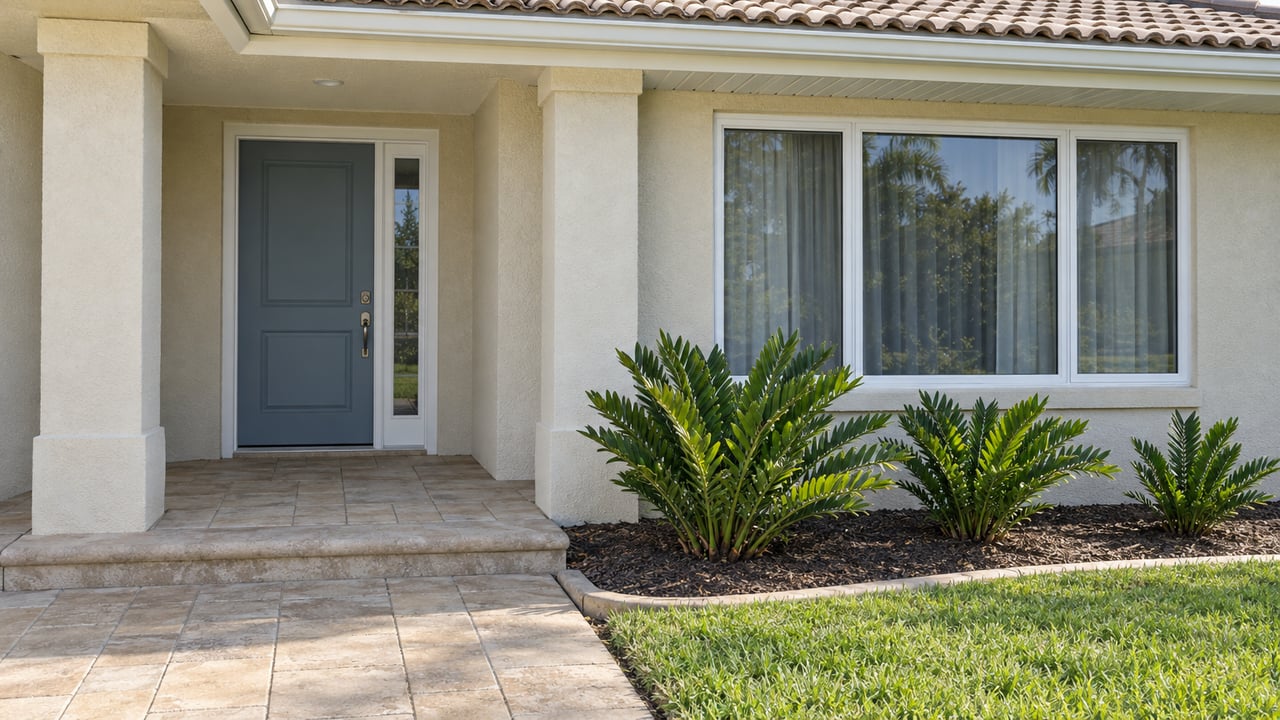
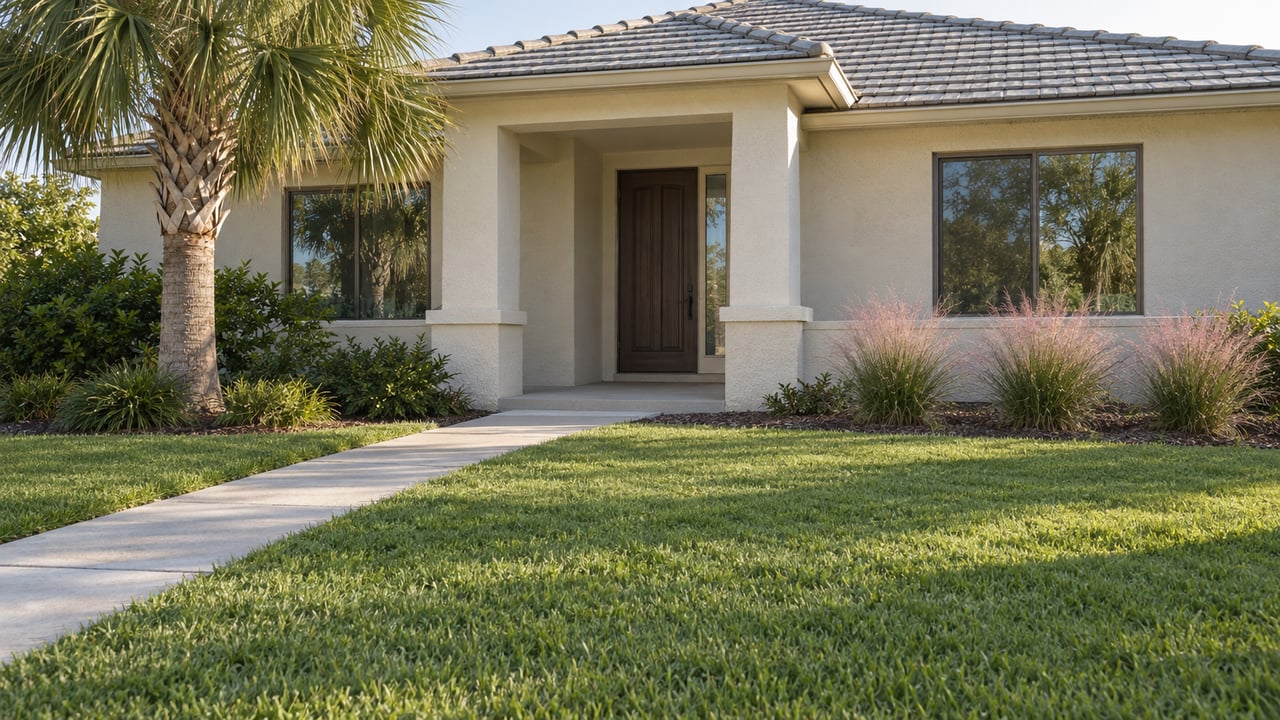
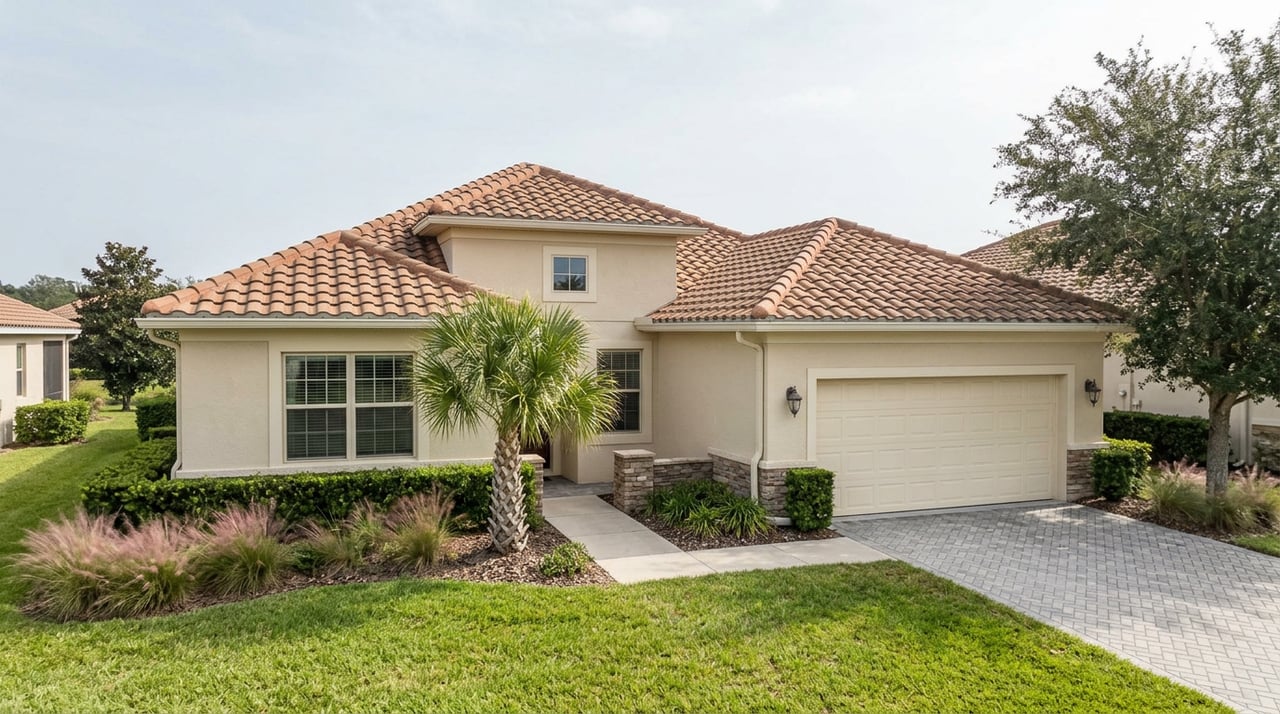
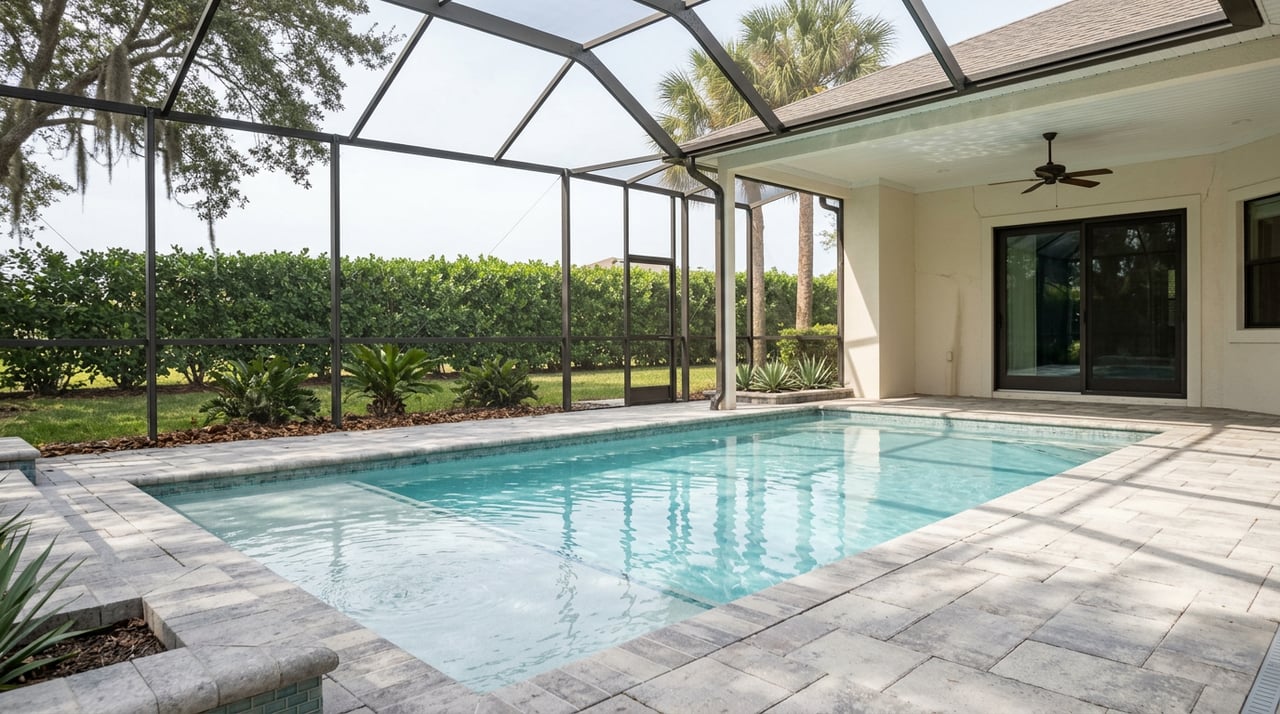
Parrish tends to appeal most to buyers who want more room, newer housing options, and a suburban setting. The area’s housing profile and county planning activity suggest it is a strong match for people who are comfortable living in a growth corridor rather than a fully built-out urban environment.
You may find Parrish is a good fit if you are looking for:
- More interior and outdoor space
- Newer or master-planned neighborhoods
- Primarily single-family home options
- A community with ongoing residential and commercial growth
- A location between the Tampa and Sarasota areas
- A lifestyle that works well with driving or hybrid work
This can be especially helpful if you are relocating and trying to balance home size, neighborhood amenities, and future upside. It can also be a practical option if you are comparing resale homes with new-construction opportunities.
Who may want to think twice
Parrish is not the best fit for every buyer. If your daily routine depends on walkability, public transit, or a short urban-style commute, the area may feel less convenient than other parts of the Gulf Coast.
The commute data make that pretty clear. In the broader Parrish area, 68% of workers drove alone, 7% carpooled, 22% worked from home, and 0% used public transit. Mean travel time to work was 33.1 minutes, which points to a car-dependent pattern for many households.
You may want to look more carefully at Parrish if you prefer:
- Walkable errands and dining
- Public transit as part of daily life
- Shorter commute times
- A denser, more urban neighborhood pattern
- A long-established town center atmosphere
That does not make Parrish a poor choice. It just means the area works better for some lifestyles than others.
Housing in Parrish: what to expect
If housing style is a big part of your decision, Parrish has a fairly clear profile. In the larger Parrish area, 91% of occupied homes were owner occupied, and 91% of housing structures were single-unit homes. That points to a market shaped largely by detached housing rather than apartment-heavy development.
The median value of owner-occupied homes was $455,300. For many buyers, that places Parrish in the category of a suburban ownership market where space and newer housing stock are major draws.
Another sign of stability is that 87% of residents lived in the same house a year earlier. That can suggest a community where many people are settling in rather than moving in and out quickly.
Growth is part of the Parrish story
One of the most important things to understand about Parrish is that growth is not just coming. It is already happening. County materials continue to reference active phases in North River Ranch and plans tied to the Del Webb Explore North River Ranch community development district.
A June 2025 planning notice also described a Parrish site approved for up to 236 townhome-style units, with at least 25% affordable housing, plus a K-8 charter school and childcare. At the same time, county planning maps show neighborhood-scale commercial growth along U.S. 301 remains part of the longer-term vision.
For you as a buyer, that means Parrish may offer opportunity, but it also means living in an area that is still evolving. Roads, retail, schools, and housing choices may continue changing over time.
What daily convenience looks like
Parrish has useful everyday amenities, but they are spread out in a way that fits its suburban pattern. County resources in the area include Parrish Community Park, Bunker Hill Community Park, Fort Hamer Park, Hidden Harbor Park, and the Rocky Bluff Branch Library.
That park and service network can add to quality of life, especially if you value outdoor space and local recreation. At the same time, the area has historically been described as one where residents often drive farther for shopping and leisure than they might in closer-in communities.
So when you picture daily life in Parrish, think less about stepping out on foot to do several errands and more about planning your week around short-to-moderate drives.
Schools and community services
For buyers comparing communities with school and service access in mind, Parrish continues to add public-serving infrastructure. Parrish Community High opened in 2019 and had close to 2,400 students as of August 2025.
Rye Ranch Elementary is scheduled to open for the 2026-2027 school year, and Harvey K-8 operates at North River Ranch. These details matter because they show the county and area providers are responding to growth with added facilities.
If schools are a major part of your home search, it can help to think of Parrish as an area where services are expanding along with the population. That can be a positive, but it is still worth comparing exact location, drive times, and nearby amenities when narrowing your options.
Getting around Parrish
Transportation matters in Parrish because driving is such a central part of everyday life. If you work from home full-time or part-time, the area may feel easier to manage than it would for someone making a long in-office commute five days a week.
Manatee County’s capital improvement plan includes the Fort Hamer Bridge 4 Lane project in Parrish. The county says the project is intended to help relieve pressure on I-75, create a continuous four-lane road from University Parkway to U.S. 301, and add pedestrian and bicycle facilities plus lighting to support growth.
That planned investment is important, but it also reinforces the bigger point: Parrish is growing, and transportation improvements are part of how the county is trying to keep pace.
Questions to ask yourself before moving
If you are unsure whether Parrish fits, a few honest questions can help you decide faster. The goal is not just to find a home you like. It is to find an area that supports the way you actually live.
Ask yourself:
- Do you want a newer home or master-planned setting?
- Are you comfortable relying on a car for most errands?
- Would more home space matter more than walkability?
- Does a 30-plus-minute commute feel workable for your routine?
- Are you open to living in an area that is still actively growing?
- Do parks, newer schools, and expanding amenities line up with your priorities?
If you answered yes to most of those, Parrish may be worth a close look. If not, you may be happier in a location with a more established street grid, shorter drives, or a denser mix of services.
Why local guidance matters in Parrish
Parrish is the kind of market where two homes with similar prices can offer very different day-to-day experiences depending on location, commute pattern, and stage of surrounding development. That is why broad market data help, but they are only part of the picture.
When you compare neighborhoods, builder communities, and resale options, it helps to have local guidance that goes beyond square footage and list price. You want to understand how each area may function for your work, errands, lifestyle, and long-term plans.
If you are weighing Parrish against Lakewood Ranch, Bradenton, or other nearby Gulf Coast communities, the right comparison can save you time and help you buy with more confidence. For tailored guidance on Parrish and nearby neighborhoods, connect with the 941 Team.
FAQs
Is Parrish, Florida a good fit for buyers who want newer homes?
- Yes. Parrish’s housing stock is heavily made up of single-unit homes, and county materials point to continued development in communities such as North River Ranch and additional townhome-style projects.
Is Parrish, Florida walkable for daily errands?
- In most cases, no. The area is largely car-dependent, and local planning context suggests residents often drive for shopping, services, and leisure.
What is the commute like in Parrish, Florida?
- The broader Parrish area has a car-based commute pattern, with 68% of workers driving alone, 7% carpooling, 22% working from home, and a mean travel time of 33.1 minutes.
Does Parrish, Florida have parks and community services?
- Yes. Manatee County operates several parks in and around Parrish, including Parrish Community Park, Bunker Hill Community Park, Fort Hamer Park, and Hidden Harbor Park, and the Rocky Bluff Branch Library serves the area.
Is Parrish, Florida still growing?
- Yes. County documents reference active residential phases, future road improvements, planned commercial growth along U.S. 301, and additional housing and school-related development.
What type of buyer may like Parrish, Florida most?
- Buyers who want more space, newer or master-planned housing, and a suburban setting between larger Gulf Coast hubs may find Parrish a strong match, especially if they are comfortable with driving as part of daily life.