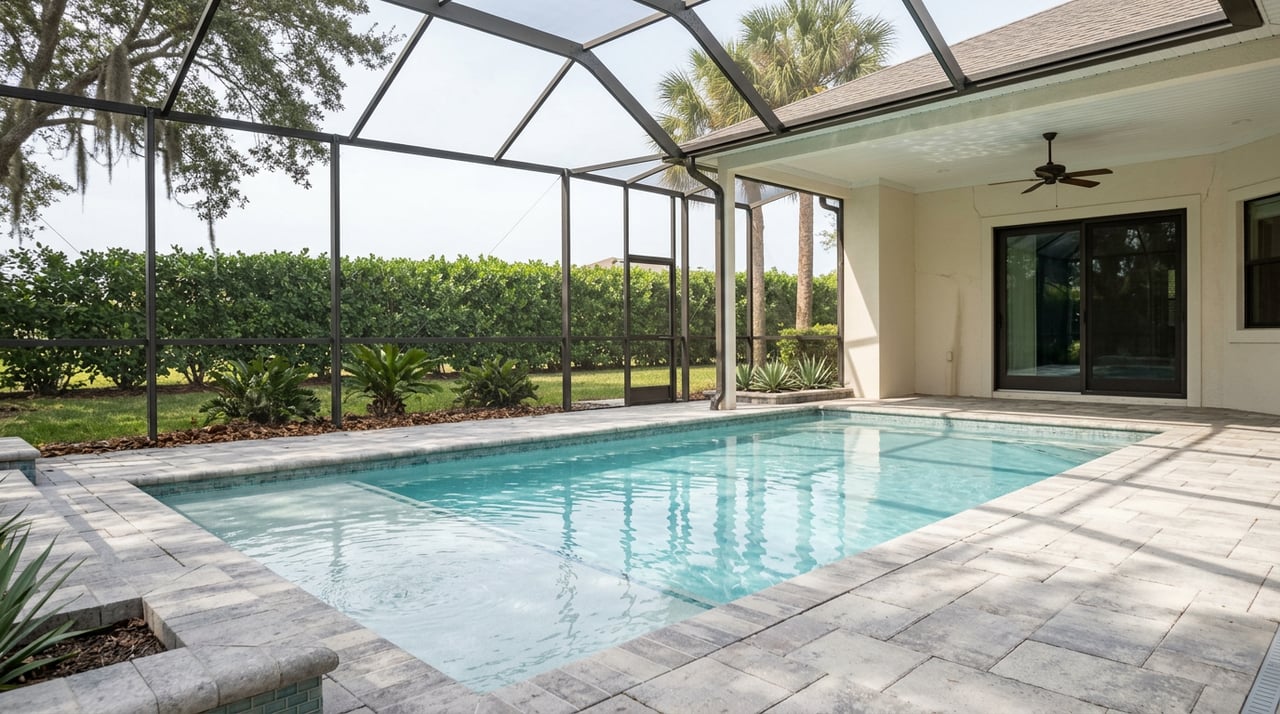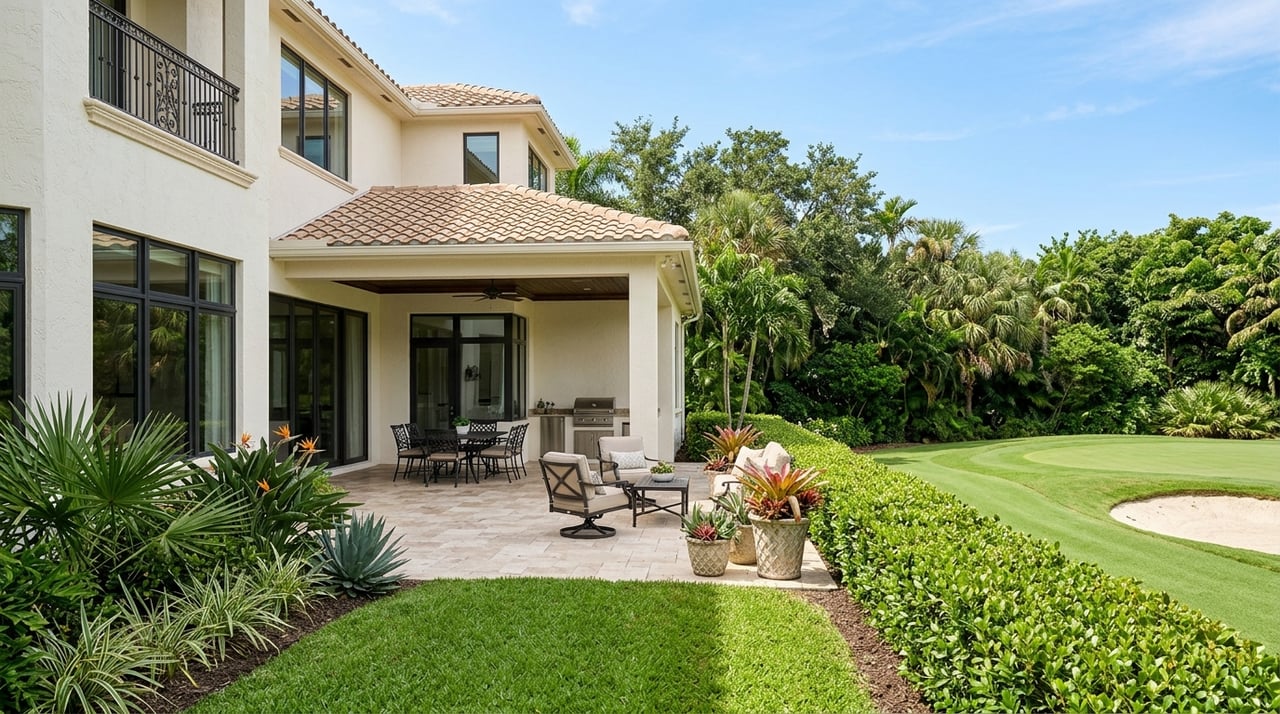
If you are drawn to River Club for the golf setting and larger homesites, it helps to look past the name alone and focus on how the community actually works. Buyers often assume a golf community near Lakewood Ranch follows the same fee structure, access rules, or HOA setup as nearby master-planned neighborhoods, but that is not always the case. A closer look at River Club can help you understand the lifestyle, the HOA details, and the questions worth asking before you make an offer. Let’s dive in.
River Club at a Glance
River Club is an established Manatee County community with 946 single-family homes spread across about 950 acres. According to the community, homes were built between 1989 and 2006, and the setting includes the Braden River, wetlands, and more than 70 ponds totaling 156 acres.
That natural layout shapes a lot of the appeal. Depending on the property, you may find golf course, water, or preserve views, along with a more mature neighborhood feel than many newer communities in the area.
River Club is a few miles east of I-75 in Bradenton and sits very close to Lakewood Ranch. That location can make it convenient if you want access to both Bradenton and the broader Sarasota-Tampa corridor.
River Club and Lakewood Ranch Are Not the Same
This is one of the biggest points to understand before you buy. Lakewood Ranch is a separate master-planned community with its own village structure, fee framework, and Stewardship District fee.
River Club may benefit from its proximity to Lakewood Ranch, but you should evaluate it on its own terms. That means reviewing the exact HOA, assessments, and property-level disclosures for the address you are considering instead of assuming the same rules or costs apply across both communities.
Golf Lifestyle in River Club
For many buyers, the golf setting is the main attraction. The River Club golf course is privately owned and operated, and the club describes it as a semi-private country club that is open to the public.
The course is an 18-hole Ron Garl design, and the club states it plays at more than 7,000 yards from the back tees with Jones Dwarf greens. The club also highlights memberships, a restaurant, a full-service pro shop, lessons, and a driving range.
That setup can appeal to buyers who want a golf-oriented setting without assuming every home purchase comes with bundled club obligations. In River Club, the golf lifestyle is part of the surroundings, but course access and club participation are separate from the HOA itself.
What the HOA Does Not Control
This distinction matters. The HOA states that the golf course is a separate entity that maintains its own property and operations.
For you as a buyer, that means the association is not managing the club experience, memberships, or course operations. If golf access is a major part of your decision, you will want to confirm what is public, what is membership-based, and whether any resident privileges apply to the specific lifestyle you want.
Golf Cart Rules to Know
Golf-cart convenience is another detail worth checking early. The HOA FAQ says golf carts may not be driven directly on River Club Blvd, although designated crossing areas and golf-cart road designations exist within the community.
If you picture everyday golf-cart movement as part of your routine, ask how that works from the exact home you are considering. Street placement and nearby crossings can affect how convenient that lifestyle feels in practice.
HOA Essentials for Buyers
River Club is governed by the River Club Homeowners’ Association and professionally managed by Castle Group. The community says the HOA has a seven-member board and monthly meetings on the first Tuesday at 5 p.m.
The association also operates committees that include Architectural Review Violations, Communications, Hearing, Grounds, and CERT. For buyers, that points to an organized HOA structure with active oversight and established community processes.
What the HOA Handles
The HOA says it enforces deed restrictions, covenants, and rules. It also notes that it is not a security service or law-enforcement agency, which is an important expectation to understand if community oversight is part of your buying criteria.
Another practical item is backflow testing. The HOA states that annual backflow testing for one device per lot is included in annual assessments and handled by a county-approved plumber. If a property has two devices, the second inspection is billed to the owner.
These details may sound small, but they affect real ownership costs and responsibilities. In resale due diligence, small recurring obligations often matter just as much as headline numbers.
Rental Rules to Review Carefully
If you are buying as a seasonal owner or want future flexibility, River Club’s lease rules deserve close attention. According to the HOA FAQ, a lease application must be submitted before tenant occupancy.
The minimum lease term is six months, and a home may not be rented more than twice in a 12-month period. The HOA also says rented homes must have a professional landscaper maintain the yard and irrigation system.
Those rules may work well for some owners and feel restrictive for others. If rental use is part of your long-term plan, verify the rules early so there are no surprises after contract.
Homesites, Home Styles, and Property Differences
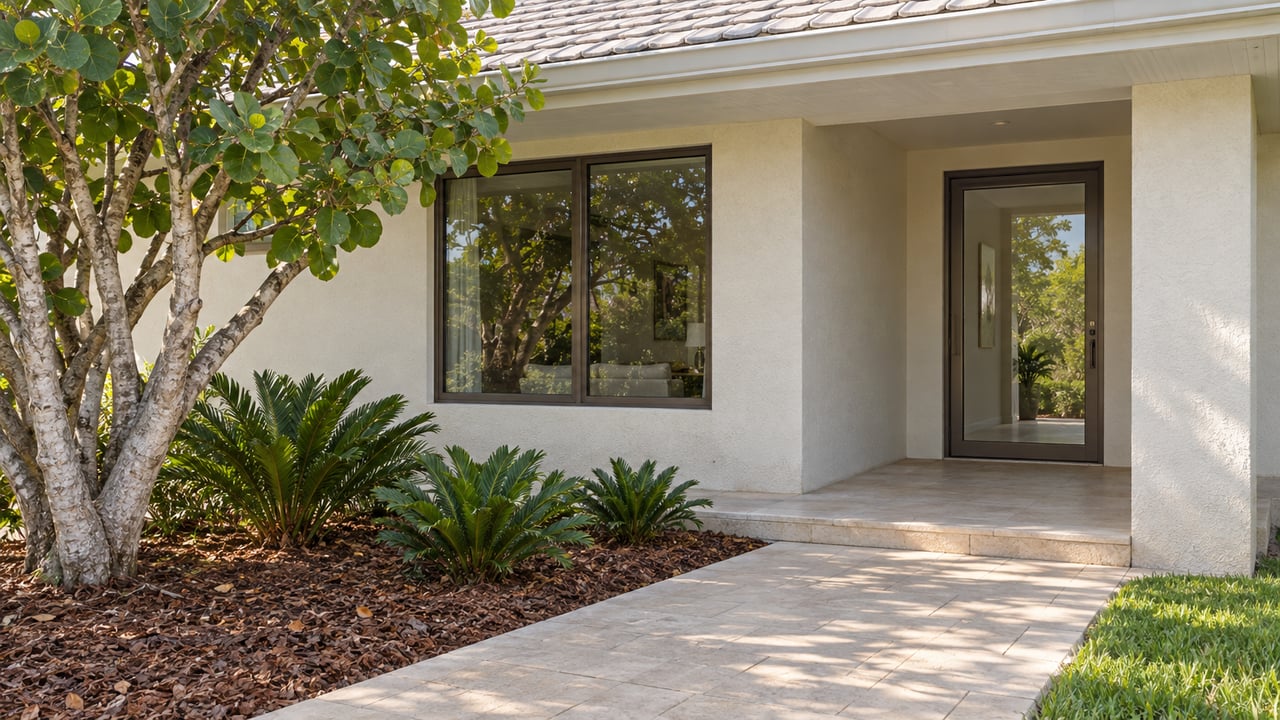
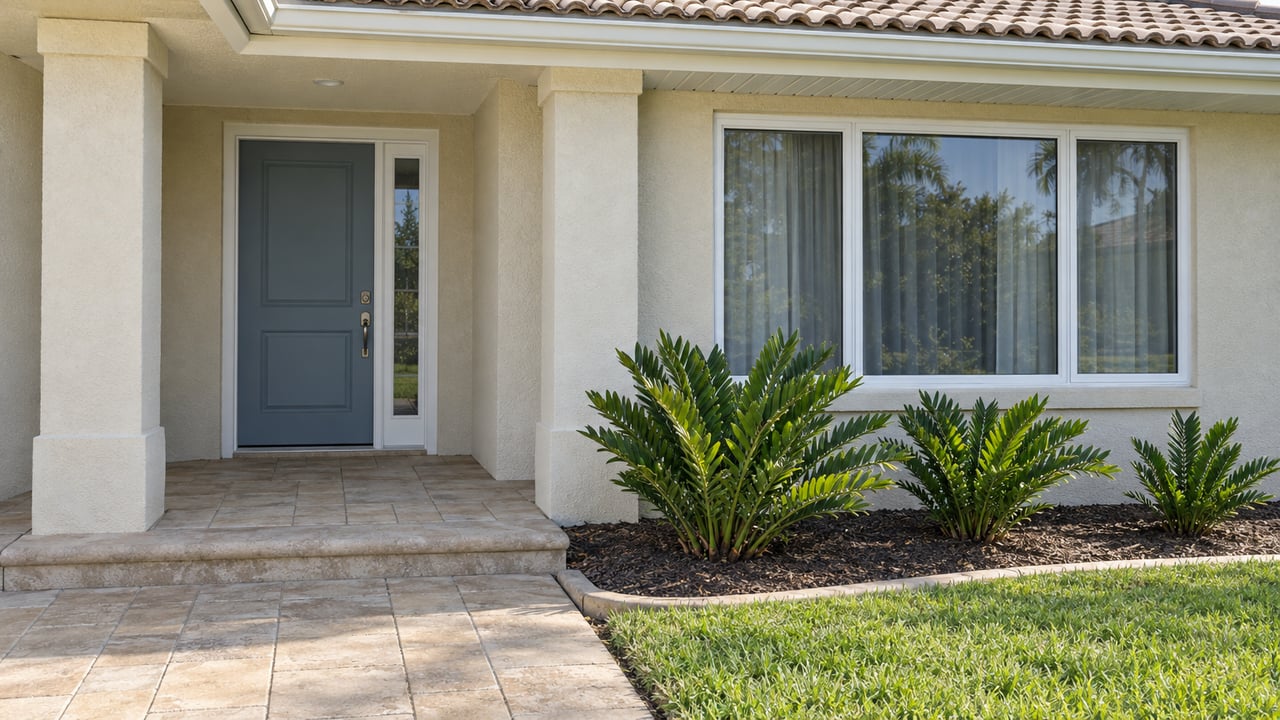
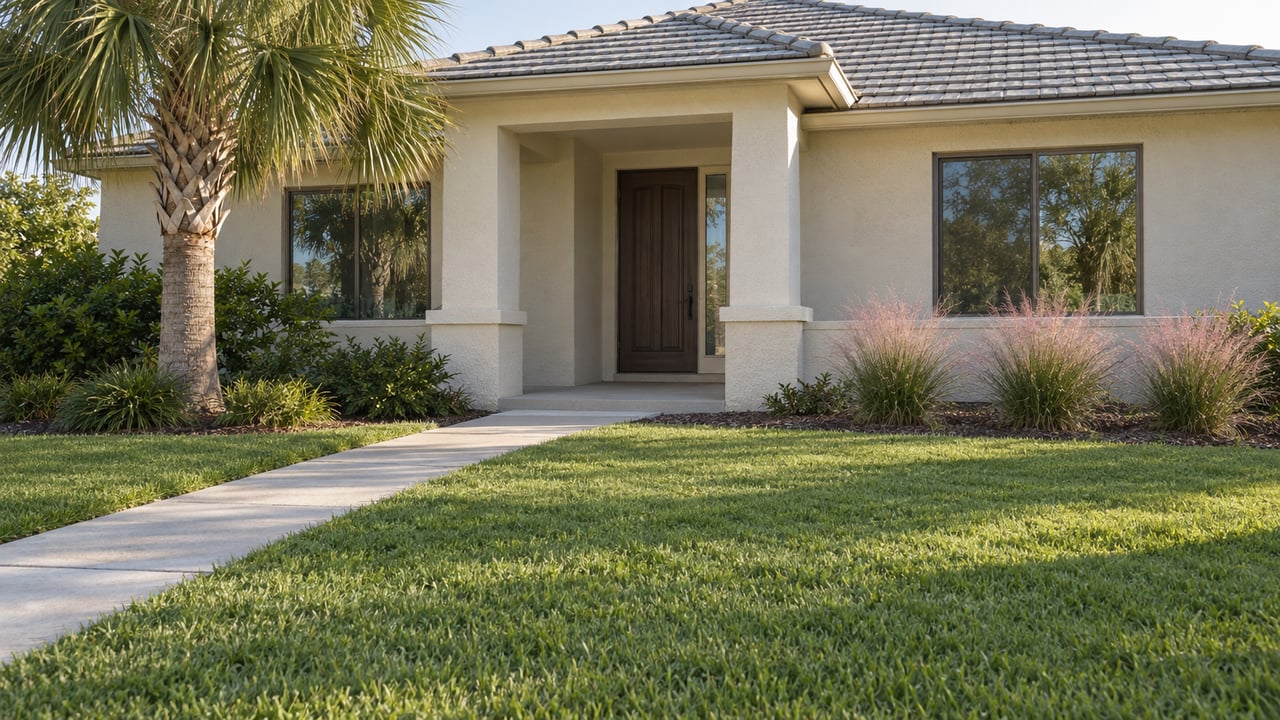
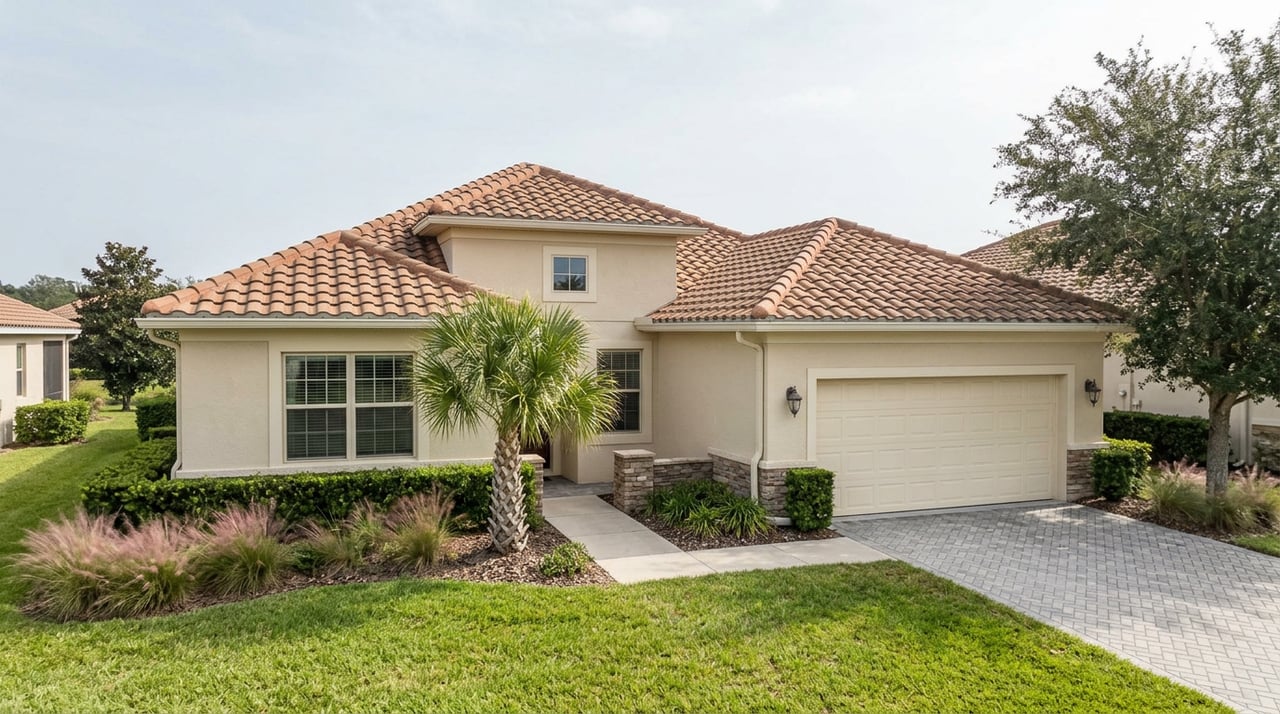
River Club includes home styles ranging from maintenance-free villas to larger single-family homes. That mix gives buyers options, but it also means two properties in the same neighborhood name may come with different responsibilities and expectations.
One of River Club’s standout features is lot size. Sample public listings show lots ranging from about 0.29 acres to 0.79 acres, with several around one-half acre, which suggests that many homes offer more breathing room than you may find in some newer master-planned neighborhoods.
That said, the feel can vary significantly by street, section, and phase. A home with a preserve backdrop can live very differently from one on a fairway or pond, even within the same community.
Why Exact Address Verification Matters
River Club’s governing documents are organized by street ranges and subphases rather than one single generic file for the whole community. That is a strong reminder not to rely on the neighborhood name alone when comparing homes.
Before you move forward, verify the exact address, recorded documents, and whether the property is in a maintenance-free section or a standard single-family section. This step can help clarify maintenance obligations, restrictions, and any section-specific rules that may affect your decision.
Smart Due Diligence Before You Offer
A River Club home can check a lot of boxes, especially if you want an established golf-area setting with mature landscaping and larger lots. Still, the right fit comes down to details that are specific to the home, the section, and your intended use.
Here are some of the most useful questions to ask during your home search and contract review:
- Which HOA and assessments apply to this exact address?
- What does the annual assessment include?
- Are there any special assessments?
- Is the golf course public, and are any memberships or resident privileges included?
- Is the home in a maintenance-free section or a standard single-family section?
- What are the lot dimensions, view corridors, and easements?
- What are the irrigation and backflow responsibilities for this property?
- What are the current rental rules for this section?
- Are golf carts allowed on nearby roads and crossings relevant to this home?
- What are the current flood-zone and insurance implications?
- What are the ages and condition of the roof, HVAC, and major systems in a home built between 1989 and 2006?
Who River Club May Suit Best
River Club may appeal to you if you want an established community near Lakewood Ranch without assuming a newer master-planned setup. It can also be a strong fit if you value larger lots, mature surroundings, and the possibility of golf, water, or preserve views.
It may be especially worth a closer look if you want a golf-adjacent lifestyle with separate course access rather than automatically bundled club control through the HOA. On the other hand, if you need short-term rental flexibility or want a community where every policy feels uniform across all sections, you will want to review the details carefully.
Buying in River Club is less about broad assumptions and more about matching the right property to the way you want to live. If you want help comparing homes, HOA structure, and section-by-section differences in River Club and nearby Lakewood Ranch-area communities, the 941 Team can help you sort through the details with clear, local guidance.
FAQs
What is River Club in Lakewood Ranch area?
- River Club is an established Manatee County community near Lakewood Ranch with 946 single-family homes on about 950 acres, including golf, water, and preserve-oriented surroundings.
Is the River Club golf course part of the HOA?
- No. The HOA says the golf course is a separate entity that maintains its own property and operations.
Can you drive a golf cart everywhere in River Club?
- No. The HOA says golf carts may not be driven directly on River Club Blvd, though designated crossing areas and golf-cart road designations exist within the community.
Does River Club follow Lakewood Ranch fees and rules?
- Not automatically. River Club should be evaluated on its own HOA, assessments, and property-specific disclosures rather than assuming Lakewood Ranch fee structures apply.
Are there rental restrictions in River Club?
- Yes. The HOA says leases require an application before occupancy, the minimum lease term is six months, and homes may not be rented more than twice in a 12-month period.
What should you verify before buying a River Club home?
- You should verify the exact HOA documents for the address, assessments, whether the home is maintenance-free or standard single-family, rental rules, golf-cart access, lot details, and the condition of major systems.